Blog/ Hospital management

Hospital DRP: a logistics approach explained
Understand what hospital DRP is and how this concept relates to good healthcare management practices.
- By
- Rivio, Editorial team
- Published
- Reading time
- 4 minutes


In a hospital, the unavailability of a critical supply can compromise a treatment, delay a procedure or put the patient at risk. That is why hospital logistics needs to operate with the same level of precision required of clinical care.
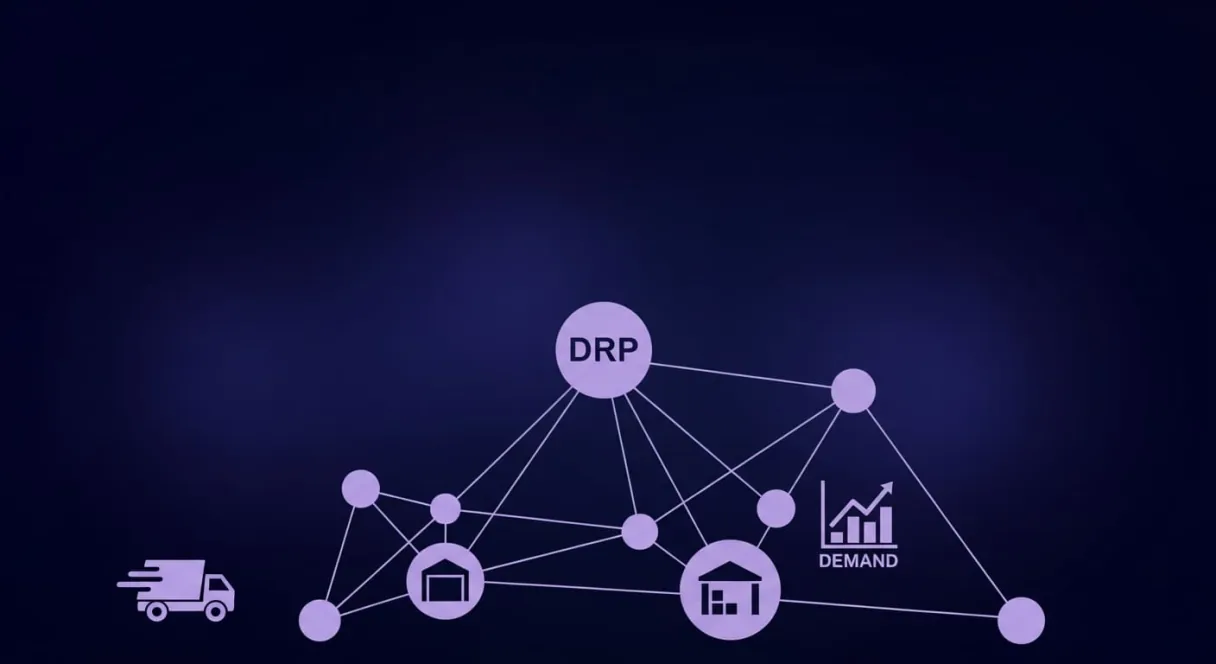
In this context, hospital DRP (Distribution Requirements Planning) is the method that organizes, anticipates and ensures the correct flow of materials within the care operation.
Beyond controlling inventory, this strategic approach plans the entire distribution of items. It defines which ones, in what quantities, to which units and at what time they should be moved within the hospital or the health network.
What is hospital DRP in practice?
First of all, it is important to note that the acronym DRP can refer to other concepts in healthcare, such as Drug Related-Problem and polycystic kidney disease (doença renal policística in Portuguese), neither of which has anything to do with hospital management.
Distribution Requirements Planning is a methodology originally developed for industry but adapted to healthcare to deal with the complexity of care. While in retail DRP responds to the consumer market, in the hospital it responds to care demand.
In practice, hospital DRP cross-references data such as:
-
historical consumption by care unit;
-
inventory turnover by item;
-
suppliers’ lead time (the time needed for delivery);
-
the surgical schedule and procedure profile;
-
occupancy rate and disease seasonality.
Based on these variables, the system anticipates future needs, avoiding both stockouts and excess inventory.
What characterizes DRP in the hospital setting?
A focus on clinical demand, not just consumption
Unlike other sectors, hospital demand is influenced by clinical and epidemiological factors. An increase in orthopedic surgeries, for example, directly affects the need for prostheses, osteosynthesis materials and specific medications. DRP needs to anticipate this scenario.
Operating with multiple distribution points
Hospitals operate with:
-
a central warehouse;
-
satellite pharmacies;
-
operating rooms;
-
ICUs and inpatient units.
DRP organizes internal distribution to ensure each point receives only what is needed for forecast consumption, without inflating decentralized stocks.
Managing critical and short‑shelf‑life items
High-cost medications, consigned materials and supplies with a short shelf life require rigorous planning. DRP makes it possible to control flow, batches and expiration dates, reducing losses from expiry.
How is hospital DRP structured?
Distribution planning rests on three pillars:
Planning based on need and demand
DRP schedules replenishments before stock reaches critical levels. Instead of reacting to shortages, it anticipates the risk.
This is done by cross-referencing consumption history, the care schedule and operational forecasts.
Example: if ICU occupancy rises and respiratory outbreaks are forecast, DRP automatically adjusts the distribution of medications, devices and related materials.
Efficiency in the distribution flow
The goal of DRP is not just to ensure availability, but to optimize the flow.
This means:
-
reducing idle stock in the units;
-
centralizing strategic volumes;
-
defining ideal internal restocking frequencies.
The result is less capital tied up and greater logistics predictability.
Safety and continuity of care
In a hospital, logistics is patient safety. A well-structured DRP:
-
issues stockout risk alerts;
-
prioritizes life‑support items;
-
reduces emergency purchases, which are more expensive and less safe.
When supply fails, the impact on care is direct, and DRP exists to prevent that scenario.
DRP, ERP and materials management: what is the difference?
These terms are related, but they refer to different roles:
-
ERP: a management system that records and integrates data from every area (finance, purchasing, HR, medical records).
-
Materials management: a set of operational processes for inventory control, purchasing and receiving.
-
DRP: planning intelligence that decides when, how much and where items should be distributed.
In short:
ERP records what happened; DRP plans what needs to happen so that the operation does not stop.
Why is DRP strategic for hospital management?
Supply costs can account for up to 30% of a hospital’s operating expenses. Well-implemented DRP has direct impacts:
Fewer losses from expiry and obsolescence.
-
Better use of working capital, with leaner inventories.
-
Fewer emergency purchases, which raise costs and risks.
-
Greater care predictability, with continuity of care.
DRP helps maintain a hospital’s clinical safety and financial sustainability.
The Rivio view
Manually managing distribution needs in complex hospitals is a process prone to failures, delays and reactive decisions. Rivio uses artificial intelligence applied to hospital logistics to achieve the same goals as DRP: logistics efficiency, financial sustainability and patient safety.
Our solutions analyze complex consumption patterns, care behavior and operational variables to forecast demand more accurately, connecting logistics planning directly to the reality of the bedside and of care.