Blog/ Healthcare technology

Key takeaways from HIMSS and SXSW for healthcare
The Rivio Blog spoke with Rafael Elustondo and Gustavo Meirelles, who attended two major global events on health, culture and technology in Las Vegas and Austin, respectively. Find out what lessons they brought back with them
- By
- Daniel MendonçaJournalist, writer and editor of the Rivio Blog
- Published
- Reading time
- 6 minutes
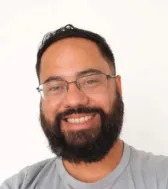


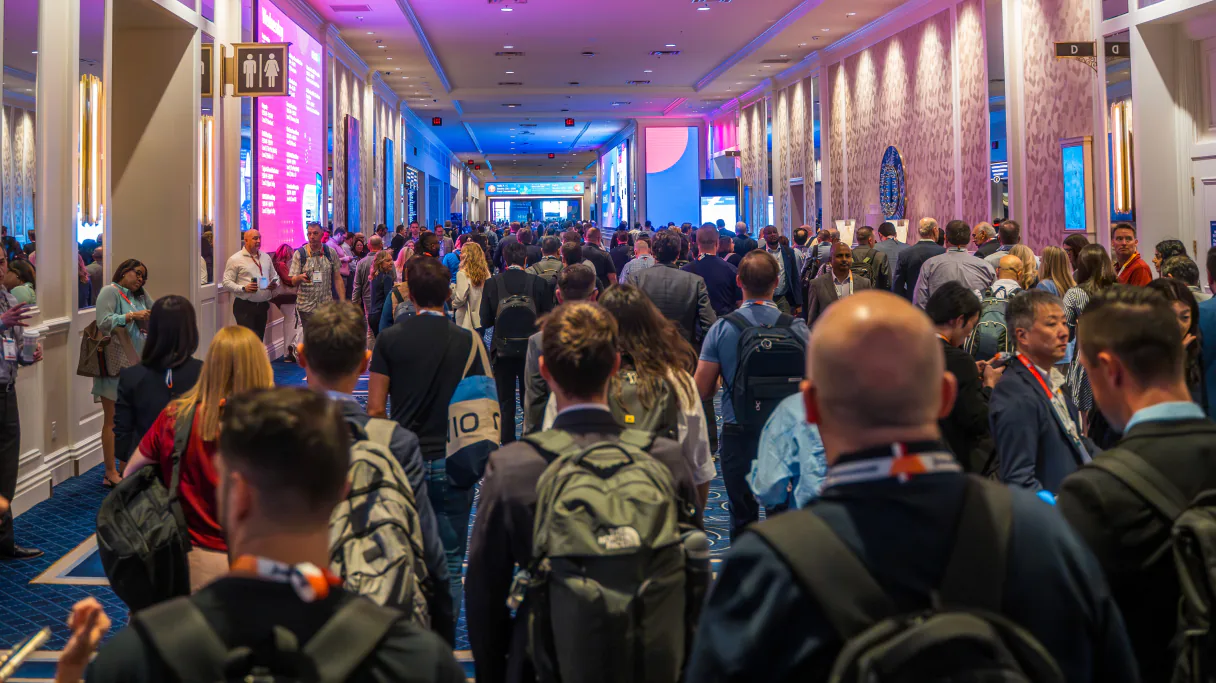
Rivio’s Business Development lead, Rafael Elustondo, was in Las Vegas from March 9 to 12, 2026, to attend HIMSS’26 (Healthcare Information and Management Systems Society), one of the largest global health technology events. Alongside Amanda Rapouzo, Rivio’s Growth executive, Rafael strengthened connections with international trends and brought back insights that will contribute to the company’s current expansion phase.
With a graduate degree in Strategic Sales Management from Universidade Mackenzie, Rafael has 15 years of experience in business development, sales and operations. This experience gave him an understanding of market dynamics and of the importance of aligning commercial strategy with operational excellence.
Right after the Vegas event, physician Gustavo Meirelles, vice president at Afya and an advisor to Rivio, was in Austin from March 12 to 18 to attend SXSW (South by Southwest), one of the world’s largest festivals of innovation, technology, music, film and culture.
A radiologist with a residency, specialization and doctorate in Thoracic Radiology from UNIFESP, Gustavo completed a postdoctoral fellowship in PET/CT at Memorial Sloan-Kettering Cancer Center (New York) and holds an MBA in Business Management from FGV. Beyond his academic career, he is also a professor, content creator and a reference in digital health in Brazil.
When both returned to Brazil, the Rivio Blog gathered their perspectives in four parallel questions, so you can compare what each event revealed about the future of healthcare.
1. What were the main highlights you saw at the event?
Rafael Elustondo (HIMSS, Las Vegas): The prominence of AI has reached a new level. We have moved from speculation about the future to demonstrations of real use cases. The big highlight was the application of generative AI to tackle what is considered the administrative cost of healthcare: artificial intelligence agents working in the back office and in managing operational cycles, with concrete results in reducing burnout among care teams, the famous “Pajama Time.” For Rivio, this validates our view that technology delivers immediate ROI, allowing care teams to focus on what is human while the machine resolves the bureaucratic friction.
Gustavo Meirelles (SXSW, Austin): Beyond physical and mental health, the event brought the theme of “social health” to the fore: the importance of cultivating quality human connections and interactions. It is worrying to see the high number of teenagers and adults in Northern Hemisphere countries who report loneliness or a lack of close friends. Caring for human bonds emerged as one of the most urgent frontiers of contemporary health.
2. What surprised you most, something that was not yet on your radar?
Rafael (HIMSS): What surprised me most was the “Early Adoption” diagnosis and the impact of data infrastructure. It became clear that those who have put their house in order, with structured and interoperable data, are already operating at a much higher level of productivity. Another welcome surprise was seeing AI being used to anticipate hospital flow bottlenecks before they happen. This reinforces the idea that working alongside hospitals on their processes is not just a preparatory step: it is the competitive differentiator itself for reaping measurable results now, even with the overall ROI of AI still being calibrated.
Gustavo (SXSW): I noticed that many people are tired of the excess of technologies and screens. I heard a lot about the importance of “being present” and of what they call “mattering”: feeling that you matter, that your presence and your actions have value and meaning for other people. Another striking point was a certain fatigue with the intensive, and sometimes excessive, use of artificial intelligence. One author went so far as to label this phenomenon “The age of sameness”: the feeling that, with AI in everything, everything starts to look alike and become homogenized. AI arrived in force two or three years ago, but it is already exposing this kind of reaction, which can get in the way of its best use.
3. Where do you think the topic of technology as a transformer of hospital management stands?
Rafael (HIMSS): The topic has reached a stage of strategic pragmatism. The question is no longer whether technology will transform management, but how to integrate technology without disrupting operations. Although the American cases focus heavily on authorizations and denial reduction (RCM), the underlying logic is universal: a pain felt by different health systems. Brazil, and specifically solutions like Rivio’s, seem to be at the perfect moment. The pain of operational inefficiency and lack of data visibility that I saw at HIMSS’26 is exactly what we are solving here, with the advantage of being the only solution that works across hospitals’ entire billing cycle.
Gustavo (SXSW): Although SXSW is not focused on healthcare, there was a lot of talk about mental health, prevention and the use of artificial intelligence to improve processes in this area. As a physician, I was excited by what I saw, read and heard about our field, especially solutions that free healthcare professionals for what really matters: caring for patients.
4. Outside the talks, how did you perceive the other participants’ view of the next three to five years for hospitals?
Rafael (HIMSS): The consensus in the hallways and behind the scenes was one of a “digital cleanup.” Over the next five years, there will be a systematic elimination of manual, repetitive tasks, but with a critical challenge: technology will mercilessly expose the shortcomings of old processes. I heard many times that “AI on a bad process only accelerates chaos.” Concern about data security and AI ethics has also grown louder, indicating that trust in the technology platform is as important as its functionality. The hospitals that come out financially healthiest will be those that use technology to redesign their operational journey.
Gustavo (SXSW): I came back from Austin with the feeling that artificial intelligence will have more and more room in tasks like the ones we perform at Rivio: automating processes that take up healthcare professionals’ time or generate waste and failures in care. AI has come to improve the lives of people and institutions, as long as it is applied to tasks that do not require a human hand. Used this way, it can be the best copilot for healthcare professionals to do their work with more time and quality.
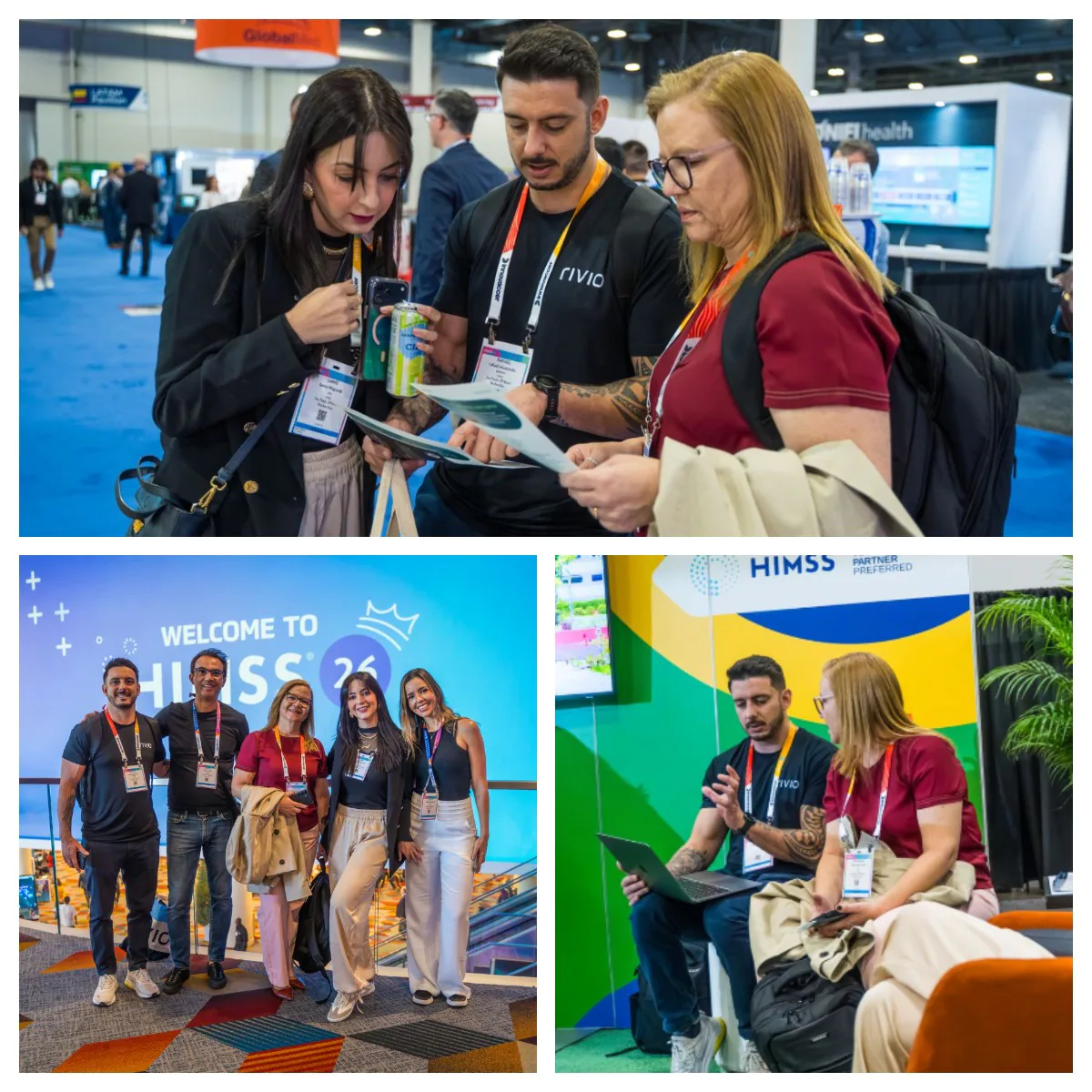
At HIMSS’26, Rafael saw how the prominence of AI in healthcare will very soon transform hospital management
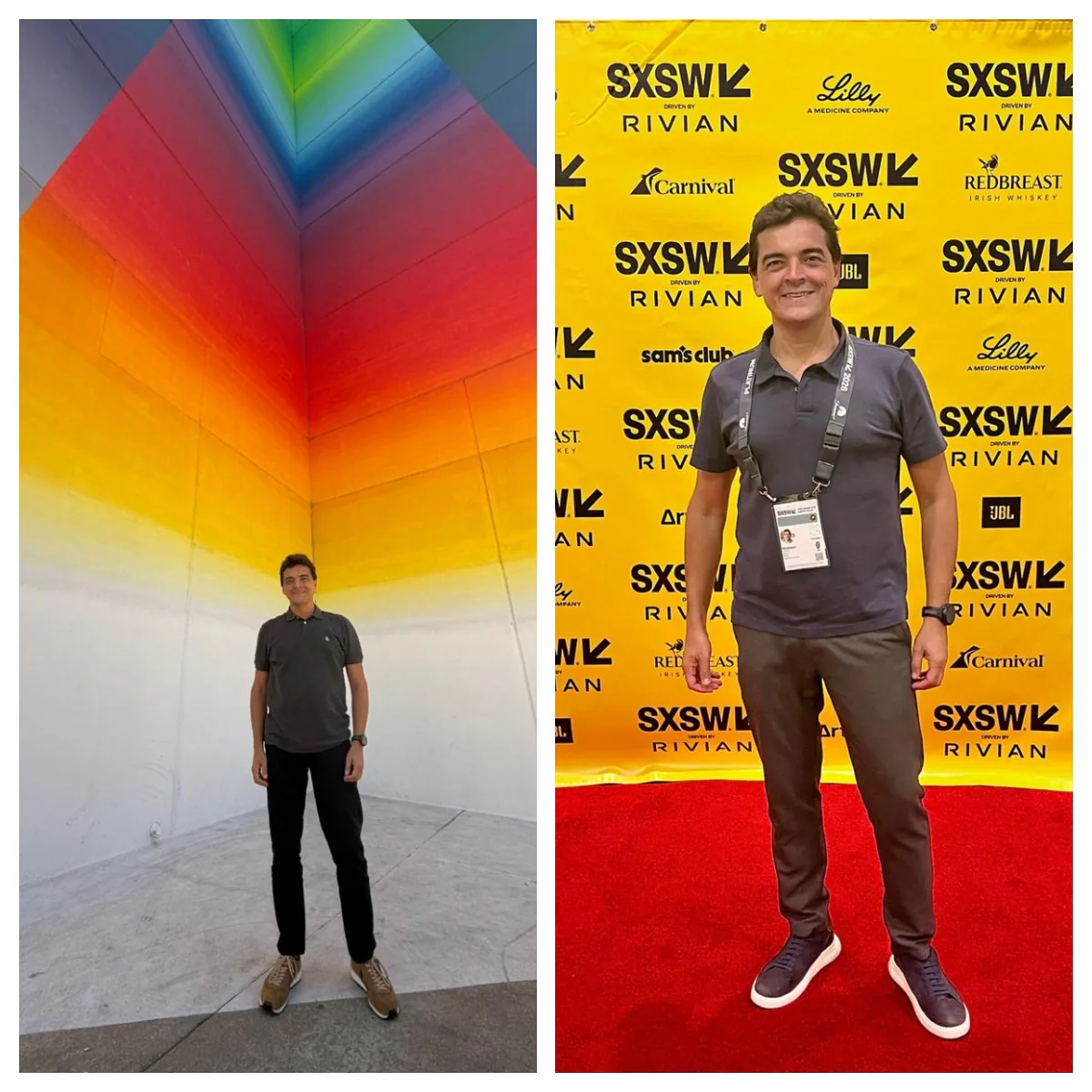
At SXSW, Gustavo Meirelles reinforced the view that AI does not replace human care, but helps us deliver it better
_________________________________
Rafael Elustondo is an executive with 15 years in business development, sales and operations in the healthcare, pharmacy and events sectors. With a consistent track record of revenue growth and strategic partnerships, he currently leads Business Development at Rivio. LinkedIn: https://www.linkedin.com/in/rafaelustondo/
Gustavo Meirelles is vice president of medical affairs and institutional relations at Afya, holds a postdoctoral fellowship from Memorial Sloan-Kattering Cancer Center in New York, is the founder of Comunidade Inovação em Saúde, host of ExpertCast, a content creator and a reference in digital health in Brazil. He serves as an advisor to Rivio.
Instagram: www.instagram.com/gmeirellesoficial/
LinkedIn: https://www.linkedin.com/in/gmeirelles/
Comunidade Inovação em Saúde: www.inovacaosaude.com
ExpertCast: www.expertcast.com.br