Blog/ Healthcare regulations

Increases and cutbacks in family health plans
Understand the percentage caps set by the regulator for adjusting individual and family plan premiums in the current cycle, as well as the differences in negotiations for employer-sponsored and affinity group contracts

- By
- Rivio, Editorial team
- Published
- Reading time
- 2 minutes


The ANS (Brazil’s National Supplementary Health Agency) set an increase of approximately 7% for health plans in 2024, the lowest in recent years.
To make up for the low increases, payers have been cutting individual and family plans over the past decade. Learn more about how the 2024 increase was determined and how payers are reacting to this decision.
How is the increase calculated?
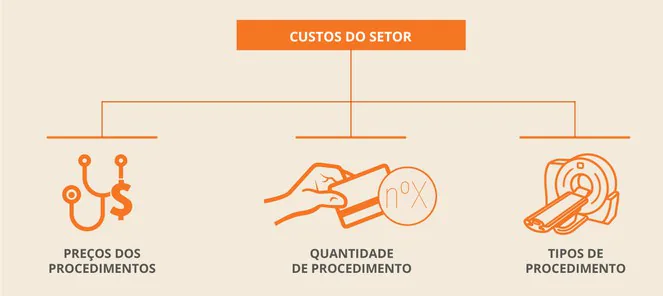
Increases are generally justified by the change in healthcare expenses from one year to the next. This is related to the cost of procedures and how often health services are used.
Decline in family plans
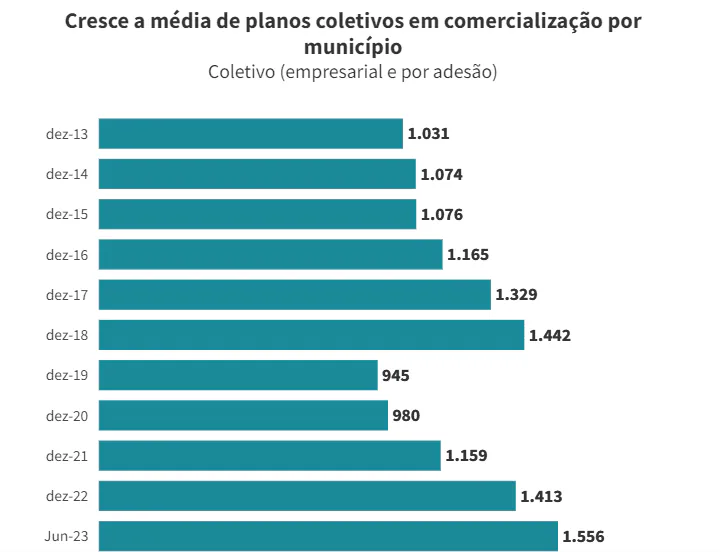
According to data provided by the ANS, individual and family health plans on sale in Brazil fell 90% from 2013 to 2023, while the total number of group plans on sale grew 50% over the same period.
The payers’ statement
FenaSaúde, which represents 10 groups of payers, justifies the reduced offering of individual and family plans:
“The increase authorized by the ANS for individual plans has been lower than the rise in treatment costs and medical inflation,” the organization notes.
“From 2019 to 2022, the cumulative authorized increase was about 15%, while the change in medical and hospital expenses was 41%.”
In addition, the organization stresses the need to move the current individual plan increase toward a methodology based on each payer’s cost variation.
The ANS’s statement
On the decline in sales of individual and family plans, the ANS said in a statement:
“The ANS cannot require payers to sell individual/family plans; each one chooses the types of plans it will sell.”
When does the increase take effect?
The payer may apply the increase only from each contract’s anniversary month, that is, the month in which the plan was purchased. For example, for contracts with anniversaries in May and June, the charge may begin in July or at the latest in August, retroactive to the contract’s anniversary month.