Blog/ Opinion

AI combined with clinical judgment will define the future of nursing
AI on triage, the nurse on judgment: why hospital claims auditing is moving up the decision chain.

- By
- Marcela MarrachAI & Audit Deployment Lead
- Published
- Reading time
- 4 minutes
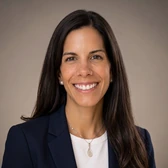


I spent 12 years of my life reading hospital bills. I started on the provider side, checking line by line what the hospital had done and what it was charging. Then I moved to the payer side, reviewing the same bills through different eyes. I learned early that a hospital bill tells a story. Auditing means checking whether that story is complete, consistent and well documented.
Today I lead a team of audit nurses who work with artificial intelligence every day. And the finding that strikes me most in research on AI in healthcare is precisely about its limits. Studies published in NEJM AI showed that leading language models, used on their own, get fewer than 50% of procedure code predictions right. Without a qualified professional reviewing the output, half of the decisions may be wrong.
That number should change the tone of the conversation about the future of audit nursing.
I understand the fear. When AI arrives in operations, the first question going around the team is about replacement. I live with that question up close, and I answer with what I see in practice: the model that works, which the literature calls human-in-the-loop, puts AI on triage and the nurse on judgment. The agents read thousands of bills in minutes. Who decides what to do with the exception, who knows the payer's rules, who carries the technical and ethical responsibility for the final decision is us.
In practice, the work moved up a level. The nurse who used to check a hundred bills by hand now defines the audit rules, validates what the AI suggests and judges the case no model can solve alone. Repetitive checking goes out, clinical judgment comes in. An experienced auditor who used to review 100 bills in a week now governs a system that audits 100% of the hospital's bills, matches prescriptions against charges and checks the rules of every contract. Her clinical eye is still the protagonist; what changed is its reach.
The sector needs this urgently. In the first quarter of 2025, the initial denial rate at Anahp member hospitals reached 17% of billings, a record (Anahp Observatory). The average collection period passed 73 days. And the largest survey ever conducted on the profession in Brazil, by Cofen and Fiocruz, shows the human cost of the current design: 64% of nursing professionals report professional burnout, with administrative overload among the causes (Nursing Profile). Something is deeply wrong with a system in which people who trained to care spend the day filling out audit justifications.
Aviation went through this shift decades ago. Autopilot took over most of the flight, and the pilot stayed in the cockpit, better trained and more valued than ever, because the decision in turbulence is still theirs. Audit nursing is entering its autopilot era. The seat in command is still occupied.
None of this happens on its own. Deploying AI in an environment that still runs manually runs into legacy systems that do not talk to each other, unstandardized data and teams wary of yet another technology promise. That wariness, by the way, is healthy. In my experience, the project that works is the one that brings the nurse in from day one, with the authority to question the model and point out where it is wrong. AI gets better when the auditor corrects the AI. That is the loop that builds trust on both sides.
If you are an audit nurse, my invitation is direct: learn what the tool delivers, question its output and use the time it gives back for the decisions only you can make. Those who make this move will become more indispensable than ever. The market is already looking for this profile and still finds too few.
Audit nursing is moving up the decision chain. Every bill audited with rigor is revenue the hospital recovers. And recovered revenue becomes beds, equipment and staff at the bedside. In the end, our oath remains the same: to care. What changed is the reach of that care.
Originally published in Portuguese in Saúde Digital News.